
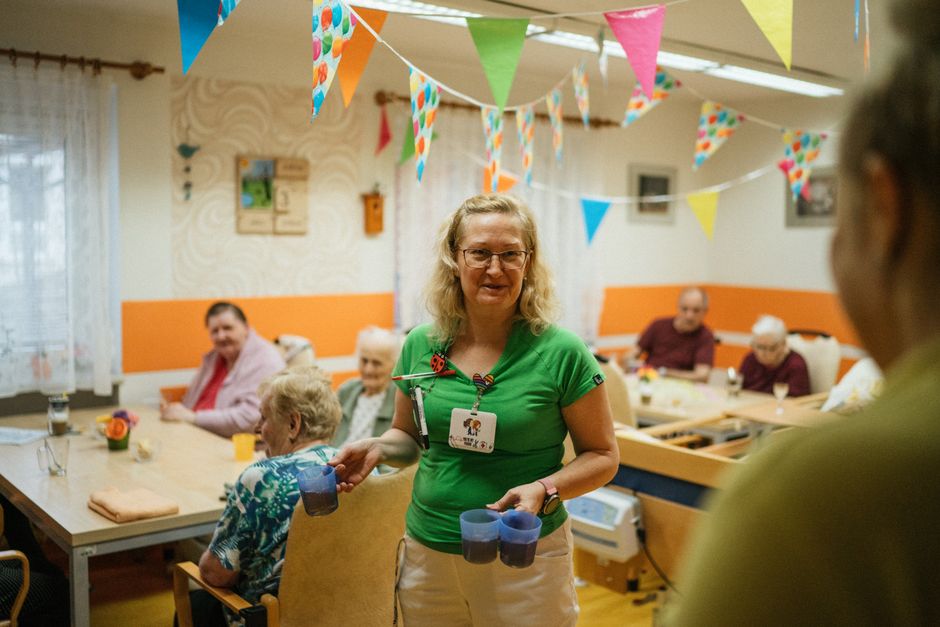
Assisted living amenities should make everyday life safer, more comfortable, and more manageable—not simply look attractive during a tour. For residents and families in Dupont, PA, the most useful amenities are those that support mobility, medication routines, social connection, personal choice, and changing needs over time.
Which amenities matter most in assisted living?
The most valuable amenities are usually practical services and features that improve daily routines. These may include accessible apartments, reliable meals, transportation, emergency response systems, housekeeping, activities, outdoor areas, and support with personal care.
A well-designed community should make it easier for residents to do what they can independently while providing help where needed. The right amenities depend on a person’s health, preferences, budget, and likely future needs.
Useful features to evaluate include:
- Private or semi-private living spaces with accessible bathrooms
- Emergency call systems in apartments and common areas
- Staff available at all hours
- Medication reminders or medication management
- Restaurant-style or scheduled dining with flexible options
- Housekeeping and laundry services
- Transportation for medical appointments and essential errands
- Indoor and outdoor gathering spaces
- Exercise, wellness, and rehabilitation areas
- Activities that match different interests and abilities
The number of amenities matters less than how consistently they are available and whether residents can use them without unnecessary barriers.
What should residents look for in the apartment?
The living space should be safe, comfortable, and easy to navigate. Apartment amenities deserve careful attention because residents spend much of their time there, and small design problems can affect independence.
Look for:
- Wide doorways that accommodate walkers or wheelchairs
- Minimal thresholds between rooms
- Grab bars or reinforced walls for future installation
- Walk-in showers with seats and handheld showerheads
- Non-slip bathroom flooring
- Bright, even lighting
- Easy-to-reach switches and thermostats
- Adequate closet and storage space
- Windows that provide natural light
- Heating and cooling controls that are simple to operate
Ask whether residents may bring familiar furniture, lamps, photographs, or other personal belongings. A comfortable apartment can help with adjustment, especially after a move from a long-time home.
Seasonal conditions also deserve attention. Cold weather, snow, and ice can make outdoor travel more difficult, so covered entrances, protected walkways, secure handrails, and accessible indoor routes are useful features for local households. Heating reliability and the ability to maintain a comfortable indoor temperature should also be discussed.
How important are meals and dining services?
Dining is one of the most important daily amenities because it affects nutrition, routine, enjoyment, and social life. A dining room should offer more than convenient food service.
Ask about:
- The number of meals provided each day
- Snack availability between meals
- Options for diabetes-friendly, low-sodium, soft, or modified-texture diets
- How food allergies are handled
- Whether residents can choose from more than one entrée
- Dining times and flexibility
- Assistance available during meals
- Whether residents may eat privately or with others
A menu may look appealing, but the practical questions are more revealing. Can a resident receive help opening containers? Are drinks easy to reach? Can meals be delivered to an apartment during illness? How are preferences recorded and updated?
Dining areas should also be comfortable for people with hearing, vision, or mobility limitations. Excessive noise, poor lighting, or crowded layouts can make meals stressful rather than enjoyable.
What safety and emergency features should be available?
Safety amenities should support residents without making the environment feel restrictive. Emergency response systems are especially important for people at risk of falls, confusion, or sudden illness.
Ask whether the community provides:
- Emergency call buttons in apartments and bathrooms
- Wearable alert devices
- Smoke, fire, and carbon monoxide detection
- Secure exits and clear evacuation procedures
- Regular emergency drills
- Backup plans for power outages
- Staff coverage during overnight hours
- Procedures for severe weather
- Secure areas for residents with wandering or elopement risks, when appropriate
Families should ask what happens after an emergency alert is activated. Who responds, how quickly, and how is the incident documented? A call system is only useful when staff response procedures are clear and dependable.
Do transportation and location-related amenities matter?
Transportation can determine whether residents remain connected to medical care, shopping, family, and community life. It is especially useful for people who no longer drive or who find winter travel difficult.
Questions to ask include:
- How often transportation is available
- Whether rides must be scheduled in advance
- How far vehicles travel
- Whether wheelchairs and walkers can be accommodated
- Whether transportation is provided for medical appointments
- Whether there are fees or trip limits
- What happens when transportation is unavailable
The surrounding area also matters. Consider whether entrances are easy to reach, parking is convenient for visitors, and sidewalks or pathways are reasonably accessible. A location that looks close on a map may still be difficult for someone with limited mobility if routes include steep grades, uneven pavement, or heavy traffic.
Which wellness and activity amenities support healthy aging?
Activities should support physical movement, mental stimulation, creativity, and relationships. Residents should not be expected to participate in every program, but there should be meaningful choices.
Potential amenities include:
- Fitness rooms or supervised exercise areas
- Walking paths or safe indoor walking routes
- Libraries and quiet reading spaces
- Craft, music, or art rooms
- Gardens and accessible outdoor seating
- Game rooms and social lounges
- Religious or reflective spaces
- Educational programs
- Small-group and one-to-one activities
A strong activity program includes options for different energy levels. A resident who cannot join a large group may still enjoy music in a smaller setting, gardening from a raised planter, or a conversation-based activity.
Ask whether residents help shape the activity calendar. Programs are more useful when they reflect actual interests rather than a fixed schedule designed without resident input.
What housekeeping and personal support should be included?
Housekeeping, laundry, bathing assistance, dressing support, and medication services can reduce daily stress. However, the level of help may vary by resident and may involve additional charges.
Clarify:
- How often apartments are cleaned
- Whether linens and towels are provided
- How personal laundry is labeled and handled
- What assistance is available with bathing or grooming
- Whether medication management is offered
- How care needs are reassessed
- Which services are included in the monthly fee
- Which services cost extra
A common misconception is that all assisted living amenities are automatically included. Written fee information is essential. Families should also ask what happens if a resident’s needs increase and whether the same setting can continue providing appropriate support.
How can families evaluate amenities during a visit?
The best evaluation combines questions with observation. Pay attention to whether residents appear comfortable, whether staff acknowledge them, and whether common areas are clean, navigable, and actively used.
During a visit, notice:
- Whether hallways are well lit and free of obstacles
- Whether handrails and seating are available
- Whether residents can easily reach activity areas
- Whether staff explain services clearly
- Whether dining spaces appear calm and accessible
- Whether outdoor areas are usable, not merely decorative
- Whether residents have privacy as well as opportunities for connection
It can also help to visit at different times, such as during a meal or in the evening. Amenities should function throughout the day, not only during a scheduled tour.
The right assisted living environment is not necessarily the one with the longest amenity list. It is the one where essential features are reliable, accessible, clearly explained, and suited to the resident’s current abilities and possible future needs.
